01

Banff in February

Book Banff

Book Banff National Park Adventures and Attractions. Banff National Park's towering peaks and beautiful meadows make it among Canada's most incredible holiday areas. Plan your Canadian Rockies vacation and Book Banff's most popular attractions.

Book Banff National Park Book Banff
Banff National Park Wildlife

02

Banff National Park

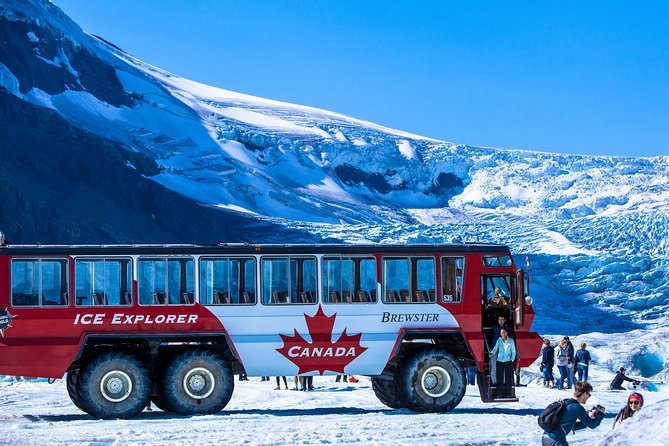
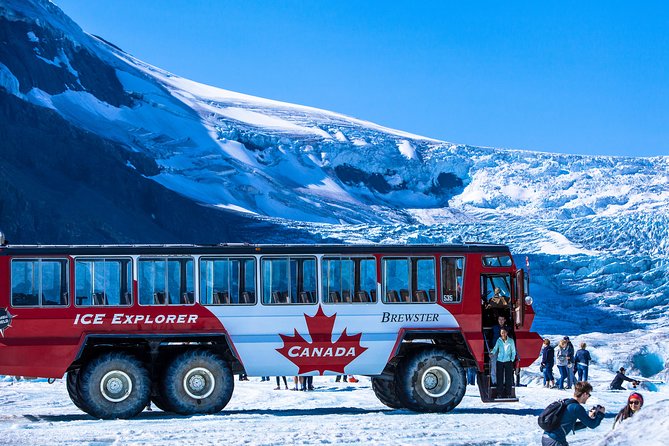
Columbia Icefield Tour & Glacier Skywalk

Columbia Icefield Tour including the Glacier Skywalk from Icefield Glacier Discovery Centre. Discover the awe-inspiring mountain scenery and massive glaciers of Alberta's Rocky Mountain region on this Columbia Icefields tour.

Jasper Columbia Icefield Tour & Glacier Skywalk
Book Glacier Skywalk and Athabasca Glacier Tour Jasper Columbia Icefield Home
Jasper Wildlife Tour Videos

03

Banff in February

Banff Gondola Ride Admission

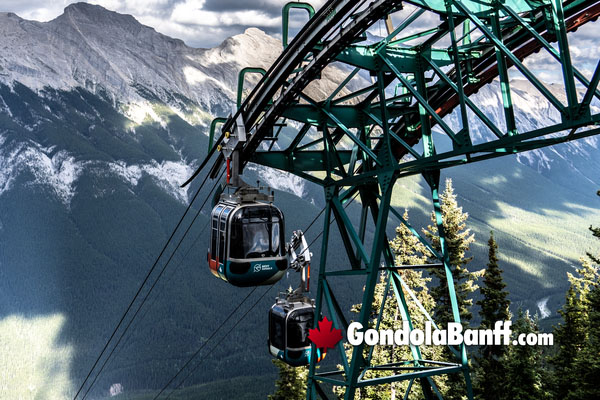
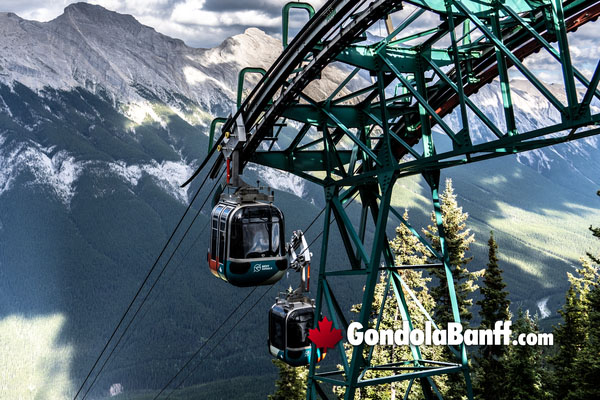
The Popular Banff Gondola provides visitors with an amazing scenic ride to the summit of Sulphur Mountain, offering panoramic views of the Canadian Rockies and the Bow Valley.

Banff Gondola at Sulphur Mountain
*Purchasing Gondola Tickets in Advance is Recommended. Book the Banff Gondola Banff Gondola Home
Banff National Park Wildlife

February in Banff National Park

February is peak winter in Banff, combining reliable snowpack with gradually increasing daylight.


Canadian Rockies Winter Wildlife Tour - Banff in April

Book Banff's Wildlife Tour


Things to Do in Banff in February

February is peak winter in Banff, combining reliable snowpack with gradually increasing daylight. Temperatures remain cold-often well below freezing-but conditions are typically stable, and snow coverage extends across the valley and alpine. The month balances strong winter recreation with seasonal festivals and a lively ski atmosphere, particularly around long weekends.

Banff Downhill Skiing & February Snowboarding

February is one of the most consistent months for alpine skiing.
Banff Sunshine Village benefits from high elevation and sustained snow quality, often delivering soft packed or powder conditions after fresh snowfall.
Lake Louise Ski Resort offers expansive terrain variety, from groomed front-side runs to open bowls and steeper alpine zones.
Cold temperatures help preserve snow surfaces, and mid-week visits typically offer more space on lifts and trails compared to holiday weekends.

Banff Cross-Country Skiing & February Snowshoeing

Nordic skiing is at its strongest in February. Groomed trails around the Banff townsite and along valley corridors provide well-maintained classic and skate-ski routes. Snowpack is generally stable, and trail conditions are reliable.
Snowshoeing remains an accessible option on forested paths and around frozen lakes. Quiet winter forests, snow-laden trees, and crisp air define the experience. Insulated boots and layered clothing are necessary, especially during early mornings.

Banff's Frozen Lakes & February Ice Experiences

By February, lakes are fully frozen and snow-covered.
Lake Louise transforms into a broad winter expanse framed by steep, snow-draped peaks. Maintained walking routes around the shoreline allow for accessible winter exploration.
Lake Minnewanka becomes a stark, wind-swept frozen corridor. Ice conditions vary annually, so any activity on lake surfaces should follow local safety guidance.
Ice formations around waterfalls and canyon areas are often fully developed by February, creating sculpted winter scenery.

Banff Gondola & February Summit Winter Views

The Banff Gondola provides year-round access to summit views atop Sulphur Mountain. February frequently offers high-clarity days following cold fronts, with strong contrast between snow-covered peaks and deep blue skies.
Summit conditions can be windy and significantly colder than townsite temperatures. Proper winter gear is essential for extended outdoor viewing.

Banff Festivals & Seasonal Atmosphere in February

February often features winter-themed programming, including snow sculptures, outdoor light displays, and seasonal celebrations. The town carries a vibrant yet distinctly winter-focused energy, especially during family-day weekends and ski events.
Evenings remain cold, but slightly longer daylight hours compared to January allow for extended outdoor activity windows.

Banff Hot Springs & February Relaxation

The Banff Upper Hot Springs is particularly appealing in February's deep cold. Steam rising from the mineral pool against frozen mountain air creates a quintessential winter experience.
Indoor dining, cafés, and boutique shops provide warm contrast to outdoor activities, with reservation demand increasing around peak weekends.

Practical Considerations

Expect sustained sub-zero temperatures; insulated outerwear is mandatory.
Winter tires are essential for mountain travel.
Monitor avalanche forecasts if accessing backcountry terrain.
Book accommodations and ski services early for long weekends.

February in Banff delivers one of the most dependable winter environments of the year: stable snowpack, active ski terrain, sculpted ice landscapes, and a lively alpine atmosphere suited for visitors focused on full winter immersion.

Banff Gondola During February

February is a wonderful time to visit the Banff Gondola in the evening. As daylight fades, the lights of Banff begin to sparkle below, creating a beautiful contrast with the snow-covered mountains. Depending on seasonal programming, visitors may also enjoy special winter light displays and evening experiences that enhance the magical atmosphere.

Banff Gondola During February

Banff Gondola During February

February is one of the best months to experience the Banff Gondola, with winter firmly established across the Canadian Rockies. As the gondola ascends Sulphur Mountain, visitors are treated to breathtaking views of snow-covered peaks, frozen valleys, and the Bow River winding through the landscape below. The crisp winter air often brings exceptional visibility, making February an excellent month for sightseeing and photography.

At the summit, the elevated boardwalk offers spectacular panoramic views of Banff National Park. Snow-covered forests and mountain ridges stretch in every direction, while the walk toward Sanson's Peak provides an unforgettable alpine experience. The peaceful winter setting allows visitors to appreciate the beauty of the Rockies without the large crowds common during the summer season.

The upper terminal provides a warm and comfortable place to relax after exploring outside. Large panoramic windows showcase the surrounding mountain scenery, while restaurants, cafés, and indoor seating areas offer the perfect opportunity to warm up with a meal or hot drink while enjoying the incredible views.

February is also a wonderful time to visit in the evening. As daylight fades, the lights of Banff begin to sparkle below, creating a beautiful contrast with the snow-covered mountains. Depending on seasonal programming, visitors may also enjoy special winter light displays and evening experiences that enhance the magical atmosphere.

Temperatures at the summit are significantly colder than in the town of Banff, and strong winds can make conditions feel even colder. Dressing in insulated layers, a warm winter jacket, waterproof boots, hats, gloves, and a scarf will help ensure a comfortable visit while exploring the outdoor viewing areas.

Wildlife is occasionally visible from the gondola or surrounding mountain slopes. Elk and mule deer are commonly seen in the Bow Valley below, while ravens, Clark's nutcrackers, and gray jays are often spotted around the summit. Although bears remain in hibernation during most of February, the surrounding winter landscape is still full of life.

Photography is outstanding throughout the month. Fresh snowfall, crystal-clear skies, and the contrast between white mountain peaks and dark evergreen forests create stunning images. Sunrise and sunset provide especially beautiful lighting, while clear evenings sometimes offer spectacular views of the stars above the Rockies.

Most visitors spend between two and four hours enjoying the gondola ride, scenic viewpoints, summit boardwalk, interpretive exhibits, dining, and gift shop. Whether you're visiting during the day or after sunset, the Banff Gondola in February offers an unforgettable winter experience with some of the finest mountain scenery in Canada. Banff Gondola

Jasper Columbia Icefields in February

Although the Columbia Icefield Adventure and Glacier Skywalk remain closed during February, the natural beauty of the glacier and surrounding mountains makes this one of the finest times to experience the Icefields Parkway. Visitors seeking peaceful scenery, spectacular winter landscapes, and outstanding wildlife viewing will find February to be an unforgettable time to explore this remarkable part of the Canadian Rockies.

Jasper Columbia Icefields in February

Jasper Columbia Icefields in February

February is one of the most spectacular months to visit the Columbia Icefield. The Athabasca Glacier and surrounding icefields remain covered in deep snow, creating a vast frozen landscape that stretches across the Continental Divide. Towering peaks, glaciers, and endless white valleys combine to form one of the most dramatic winter scenes in the Canadian Rockies.

Although the Columbia Icefield is accessible by driving the Icefields Parkway, the main summer attractions are typically still closed throughout February. The Ice Explorer glacier tours and the Glacier Skywalk do not normally operate during the winter season due to snow accumulation and harsh weather conditions. Instead, visitors come to admire the glacier from scenic roadside viewpoints and enjoy the incredible winter scenery.

The drive to the Columbia Icefield is a major attraction in itself. The Icefields Parkway winds through snow-covered mountain ranges, frozen rivers, ice-covered waterfalls, and expansive forests. Every section of the journey offers spectacular winter landscapes, making the drive one of Canada's most unforgettable scenic routes.

The Athabasca Glacier is especially impressive in February. From the viewpoints near the Discovery Centre, visitors can appreciate the immense size of the glacier as it descends between rugged mountain peaks. Fresh snowfall often highlights the glacier's contours, while clear winter skies provide excellent visibility across the surrounding icefields.

February is also an excellent month for wildlife viewing along the Icefields Parkway. Mountain goats are frequently seen on steep rocky slopes, while bighorn sheep, elk, deer, coyotes, foxes, wolves, and occasionally moose may be spotted throughout the region. The snow-covered landscape often makes wildlife easier to see than during the summer months.

Winter driving requires careful preparation. Snow-packed roads, icy conditions, blowing snow, and rapidly changing weather are common throughout February. Winter tires are essential, and visitors should carry warm clothing, food, water, and emergency supplies, as services along the Icefields Parkway are limited during the winter season.

Temperatures remain well below freezing for much of February, and strong winds can make conditions feel even colder. Dressing in insulated layers, waterproof winter boots, hats, gloves, and windproof outerwear is essential for staying comfortable while stopping at viewpoints and exploring the area.

Photography opportunities are exceptional throughout the month. The contrast between brilliant white snow, ancient glacier ice, and deep blue skies creates unforgettable images. Early morning and late afternoon provide beautiful lighting across the mountains, while fresh snowfall transforms the landscape into a pristine winter wilderness.

Although the Columbia Icefield Adventure and Glacier Skywalk remain closed during February, the natural beauty of the glacier and surrounding mountains makes this one of the finest times to experience the Icefields Parkway. Visitors seeking peaceful scenery, spectacular winter landscapes, and outstanding wildlife viewing will find February to be an unforgettable time to explore this remarkable part of the Canadian Rockies. Jasper Columbia Icefields

Columbia Icefields Glacier Skywalk During February

While the Columbia Icefield Skywalk itself cannot be experienced in February, the surrounding glaciers, towering mountains, and pristine winter scenery still make the area one of the most impressive destinations along the Icefields Parkway. For visitors seeking dramatic winter landscapes and unforgettable mountain views, the journey remains well worth making.

Columbia Icefields Glacier Skywalk During February

Columbia Icefields Glacier Skywalk During February

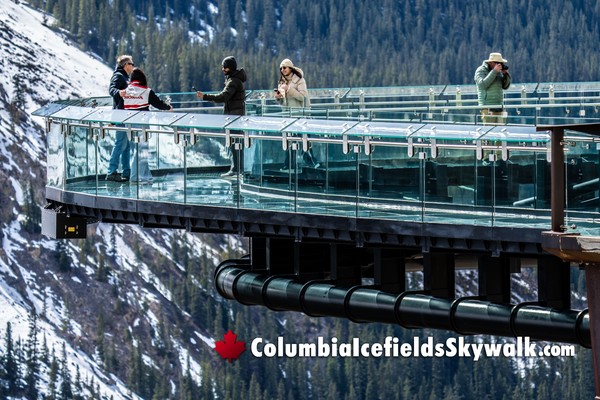
The Columbia Icefield Skywalk is typically closed throughout February as winter conditions make operations impossible. Heavy snowfall, extreme cold, and ice accumulation cover the glass-floored walkway and surrounding cliffside infrastructure, so visitors are unable to access the attraction during the winter season.

Although the Skywalk itself is closed, the surrounding landscape remains one of the most spectacular winter destinations in the Canadian Rockies. Snow-covered mountain peaks, frozen waterfalls, glaciers, and vast alpine valleys create breathtaking scenery along the Icefields Parkway. Simply driving through the area provides countless opportunities to admire the dramatic winter wilderness.

The Sunwapta Valley, which stretches below the Skywalk, is transformed into a pristine snow-covered landscape during February. The valley's forests, cliffs, and winding rivers become blanketed in snow, creating impressive panoramic views that can still be enjoyed from nearby roadside viewpoints.

February is also one of the quietest months in the region. Without the summer crowds, visitors experience a peaceful atmosphere where the sounds of wind, distant rivers, and occasional wildlife replace the busy activity of the peak tourist season. The solitude adds to the sense of exploring one of Canada's most remote mountain environments.

Wildlife viewing can be especially rewarding during winter. Mountain goats are often seen on nearby rocky cliffs, while bighorn sheep, elk, deer, coyotes, foxes, wolves, and occasionally moose may be spotted along the Icefields Parkway. Winter's snow-covered terrain frequently makes animals easier to notice against the white landscape.

Winter weather in February is severe, with temperatures regularly well below freezing and strong winds common throughout the area. Visitors should wear insulated layers, waterproof winter boots, hats, gloves, and windproof outerwear. Weather conditions can change rapidly, so checking road conditions before traveling is always recommended.

Driving to the Columbia Icefield requires extra caution during February. Snow-packed roads, icy surfaces, blowing snow, and occasional winter storms are common along the Icefields Parkway. Winter tires are essential, and travelers should carry emergency supplies when driving through this remote section of Banff and Jasper National Parks.

While the Columbia Icefield Skywalk itself cannot be experienced in February, the surrounding glaciers, towering mountains, and pristine winter scenery still make the area one of the most impressive destinations along the Icefields Parkway. For visitors seeking dramatic winter landscapes and unforgettable mountain views, the journey remains well worth making. Columbia Icefields Glacier Skywalk

Golden Skybridge in February

Although visitors cannot experience the Golden Skybridge itself during February, the surrounding region still offers stunning mountain scenery and outstanding winter recreation. Those visiting Golden during the winter months can enjoy the area's peaceful atmosphere while planning a return trip to experience the Skybridge and its adventure attractions when they reopen in the spring.

Golden Skybridge in February

Golden Skybridge in February

The Golden Skybridge is typically closed throughout February for the winter season. Heavy snowfall, icy conditions, and cold temperatures make it impractical to operate the suspension bridges and many of the outdoor adventure attractions. Visitors planning a February trip should expect the attraction to remain closed until the spring reopening.

Although the Skybridge itself is unavailable, the surrounding Columbia Valley remains a beautiful winter destination. Snow-covered mountain peaks, dense forests, and the dramatic canyon surrounding the bridges create a spectacular alpine setting. The area is especially scenic after fresh snowfall, when the landscape is transformed into a quiet winter wonderland.

February offers a peaceful atmosphere around Golden, with far fewer visitors than during the busy summer months. While the Skybridge is closed, the town serves as an excellent base for exploring nearby winter activities, including skiing, snowboarding, snowshoeing, cross-country skiing, and scenic drives through the surrounding mountain ranges.

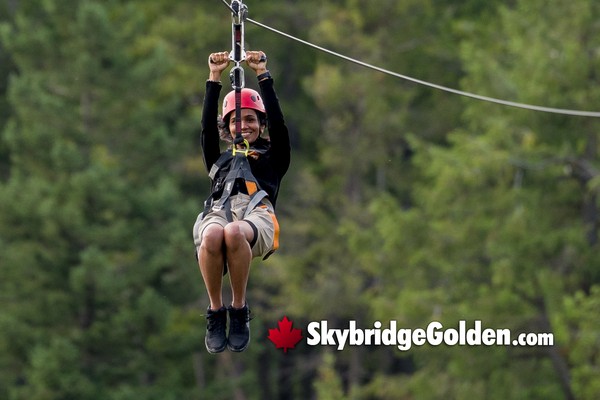
The suspension bridges, zipline, mountain coaster, giant canyon swing, climbing wall, and other adventure experiences are generally unavailable during February. Seasonal restaurants, retail shops, and attractions within the Skybridge property are also typically closed until the attraction reopens for the warmer months.

Wildlife remains active throughout the region during winter. Visitors may spot elk, deer, mountain goats, bighorn sheep, coyotes, foxes, and a variety of winter birds while traveling around Golden. Tracks in the snow often reveal the presence of wildlife even when animals remain hidden in the surrounding forests.

Winter weather in February is cold and snowy, with temperatures frequently remaining below freezing. Anyone exploring the surrounding area should dress in warm, insulated layers and wear waterproof winter boots with good traction. Mountain weather can change quickly, so checking road conditions before traveling is always recommended.

Photography opportunities remain excellent despite the attraction being closed. The canyon, surrounding forests, and snow-covered Purcell and Rocky Mountains create spectacular winter scenery. Clear February days often provide crisp mountain views, while fresh snowfall adds texture and contrast to the dramatic landscape.

Although visitors cannot experience the Golden Skybridge itself during February, the surrounding region still offers stunning mountain scenery and outstanding winter recreation. Those visiting Golden during the winter months can enjoy the area's peaceful atmosphere while planning a return trip to experience the Skybridge and its adventure attractions when they reopen in the spring. Golden Skybridge

Banff Lake Minnewanka Boat Cruise in February

While the Lake Minnewanka Boat Cruise is unavailable in February, the lake itself remains a spectacular destination. Its peaceful winter atmosphere, dramatic mountain scenery, abundant wildlife, and easy accessibility make it one of the finest places to experience the beauty of Banff National Park during the winter season.

Lake Minnewanka Boat Cruise in February

Banff Lake Minnewanka Boat Cruise in February

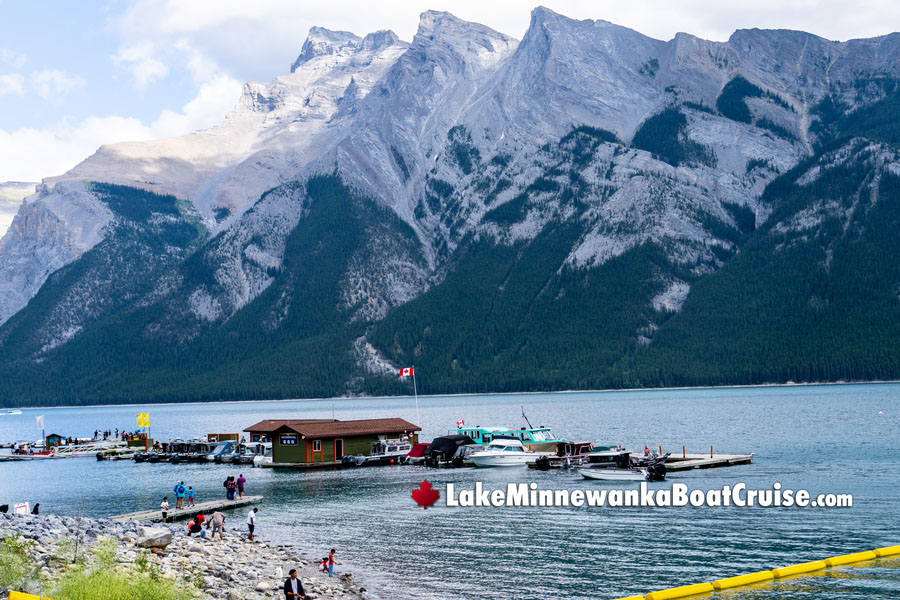
The Lake Minnewanka Boat Cruise does not operate during February, as the lake is frozen throughout the winter season. The sightseeing cruises pause after the fall, and boats remain out of the water until the warmer months return. Visitors planning a February trip should expect the marina and cruise operations to be closed.

Although the boat cruise is unavailable, Lake Minnewanka remains one of Banff National Park's most beautiful winter destinations. The frozen lake stretches for more than 20 kilometres beneath snow-covered mountain peaks, creating a breathtaking landscape that is dramatically different from the vibrant blue waters seen during summer.

The shoreline is an excellent place to experience the peaceful atmosphere of winter in the Canadian Rockies. Snow-covered forests, frozen beaches, and panoramic mountain views make the lake a favourite stop for photographers, sightseers, and anyone looking to enjoy a quiet winter escape close to Banff.

February is an excellent time for winter walks along the accessible shoreline and designated trails near the day-use area. Visitors can enjoy crisp mountain air and spectacular scenery while exploring the lakeshore. Walking onto the frozen lake is never recommended, as ice thickness can vary and conditions change throughout the winter.

Wildlife is commonly seen around Lake Minnewanka during February. Elk, mule deer, bighorn sheep, coyotes, foxes, and a variety of winter birds are frequently spotted in the area. Wolves and mountain lions also inhabit the region, although they are rarely seen by visitors.

The road to Lake Minnewanka generally remains open during the winter, making it one of the most accessible mountain lakes near Banff. Snow-covered roads and parking areas are regularly maintained, but winter tires and cautious driving are essential during snowy or icy conditions.

February temperatures are typically well below freezing, especially during the morning and evening hours. Dressing in warm layers, insulated outerwear, waterproof boots, hats, and gloves will help visitors stay comfortable while enjoying the lake and surrounding viewpoints.

Photography is outstanding throughout February. The combination of frozen lake surfaces, snow-covered mountain slopes, frosted trees, and brilliant blue skies creates striking winter images. Sunrise and sunset often produce beautiful light across the ice and surrounding peaks, making this one of the most rewarding winter photography locations in Banff National Park.

While the Lake Minnewanka Boat Cruise is unavailable in February, the lake itself remains a spectacular destination. Its peaceful winter atmosphere, dramatic mountain scenery, abundant wildlife, and easy accessibility make it one of the finest places to experience the beauty of Banff National Park during the winter season. Banff Lake Minnewanka Boat Cruise

Jasper SkyTram in February

The Jasper SkyTram typically resumes operations later in the spring when snow conditions become more suitable and mountain access is safe for visitors. Until then, the mountain continues to provide spectacular scenery that can be admired from countless viewpoints throughout Jasper.

Jasper SkyTram Opens in February

Jasper SkyTram in February

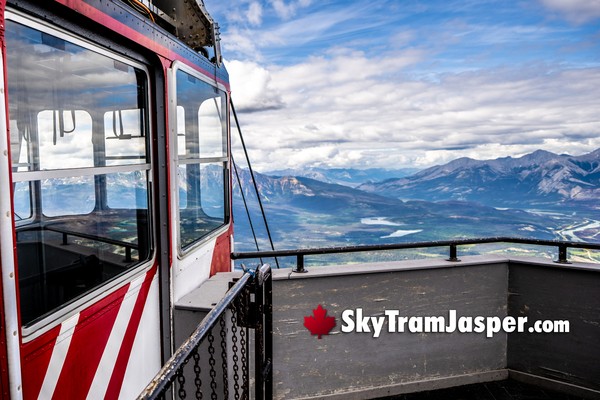
The Jasper SkyTram is closed throughout February as part of its annual winter shutdown. Heavy snowfall, extreme mountain weather, and maintenance activities keep the tram out of operation until the spring season. Visitors planning a February trip to Jasper should expect the attraction to remain closed.

Although the SkyTram is unavailable, Whistlers Mountain remains a spectacular backdrop to the Jasper townsite. Its snow-covered slopes rise above the Athabasca Valley, creating one of the most recognizable winter landscapes in Jasper National Park. The mountain is especially beautiful after fresh snowfall, with its alpine ridges and forests blanketed in white.

February is one of the quietest months to explore Jasper, allowing visitors to enjoy the surrounding scenery without the crowds of summer. While the summit cannot be reached by tram, there are many nearby viewpoints throughout the townsite that provide excellent views of Whistlers Mountain and the surrounding mountain ranges.

Winter recreation becomes the main attraction during February. Visitors often spend their time skiing or snowboarding at Marmot Basin, snowshoeing local trails, cross-country skiing, wildlife watching, or exploring the scenic roads around Jasper. The peaceful winter atmosphere makes the park especially appealing for those seeking a true mountain escape.

Wildlife remains active throughout the valley during February. Elk are commonly seen grazing around the Jasper townsite, while mule deer, bighorn sheep, coyotes, foxes, wolves, moose, and various winter birds may also be spotted throughout the park. The snow-covered landscape often makes wildlife easier to observe.

Winter weather on Whistlers Mountain is much colder than in the valley below. Temperatures regularly remain well below freezing, with strong winds and blowing snow common at higher elevations. Even while exploring Jasper itself, visitors should wear insulated layers, waterproof boots, hats, gloves, and warm outerwear.

Photography opportunities remain exceptional throughout February. Snow-covered peaks, frozen rivers, frosted forests, and crisp blue skies create stunning winter scenes across Jasper National Park. Sunrise and sunset often produce beautiful golden light on the surrounding mountains, while clear evenings can offer outstanding opportunities for stargazing and viewing the northern lights.

The Jasper SkyTram typically resumes operations later in the spring when snow conditions become more suitable and mountain access is safe for visitors. Until then, the mountain continues to provide spectacular scenery that can be admired from countless viewpoints throughout Jasper.

Although the Jasper SkyTram is closed during February, Jasper National Park remains an outstanding winter destination. Its peaceful atmosphere, incredible mountain landscapes, abundant wildlife, and wide variety of winter activities ensure visitors can still enjoy an unforgettable Canadian Rockies experience. Jasper SkyTram

Maligne Lake Boat Cruise During February

While the Maligne Lake Boat Cruise is unavailable during February, the lake remains one of Jasper National Park's premier winter destinations. Its tranquil atmosphere, breathtaking mountain scenery, excellent wildlife viewing, and stunning winter landscapes make it a rewarding stop for anyone exploring the Canadian Rockies in winter.

Maligne Lake Boat Cruise During February

Maligne Lake Boat Cruise During February

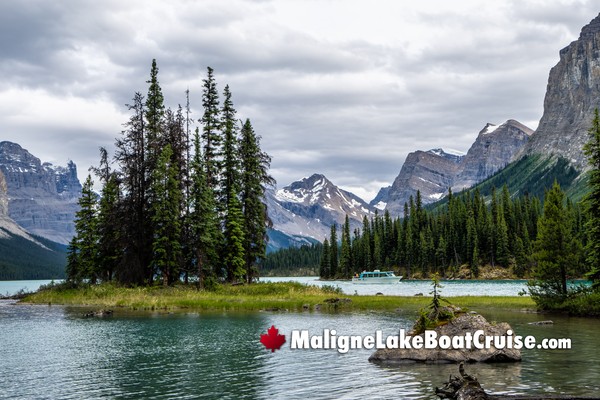
The Maligne Lake Boat Cruise does not operate during February, as Maligne Lake is completely frozen throughout the winter season. The sightseeing cruises pause after the fall, and the boats remain docked until the warmer months return. Visitors planning a February visit should expect the cruise and Spirit Island excursions to be unavailable.

Although the boat cruise is closed, Maligne Lake becomes one of Jasper National Park's most beautiful winter destinations. The frozen lake stretches beneath the towering Queen Elizabeth Ranges, creating an incredible landscape of snow-covered mountains, frozen shorelines, and dense evergreen forests. The peaceful surroundings offer a completely different experience from the busy summer season.

February is an excellent time to appreciate the quiet beauty of Maligne Lake from the shoreline. Fresh snow blankets the surrounding forest, while the frozen lake reflects the rugged mountain scenery in a way that creates a truly unforgettable winter setting. The silence of the area adds to its remote wilderness atmosphere.

Spirit Island remains inaccessible during February because it can only be reached by boat during the operating season. Although the famous island cannot be visited, the spectacular scenery around the lake still provides outstanding opportunities for sightseeing and photography from the day-use area.

Wildlife is frequently seen along Maligne Lake Road during the winter months. Elk, mule deer, moose, bighorn sheep, coyotes, foxes, wolves, and a variety of winter birds are regularly spotted in the valley. The quieter roads and snow-covered landscape often improve wildlife viewing opportunities.

February temperatures at Maligne Lake are typically well below freezing, and weather conditions can change quickly. Warm insulated clothing, waterproof winter boots, gloves, hats, and layered outerwear are essential for staying comfortable while exploring the lakeshore and nearby viewpoints.

The drive to Maligne Lake is one of the highlights of a winter visit. Snow-covered forests, frozen creeks, mountain viewpoints, and abundant wildlife make the journey as memorable as the destination itself. Winter tires and cautious driving are essential, as road conditions can vary with snowfall and changing weather.

Photography is exceptional throughout February. The frozen lake, snow-covered peaks, frost-covered trees, and crisp mountain air create dramatic winter scenes that are unlike those found during any other season. Sunrise and sunset often bathe the surrounding mountains in warm light, producing spectacular images.

While the Maligne Lake Boat Cruise is unavailable during February, the lake remains one of Jasper National Park's premier winter destinations. Its tranquil atmosphere, breathtaking mountain scenery, excellent wildlife viewing, and stunning winter landscapes make it a rewarding stop for anyone exploring the Canadian Rockies in winter. Maligne Lake Boat Cruise

February at Abraham Lake

February is widely considered one of the very best times to experience Abraham Lake. The combination of crystal-clear ice, spectacular methane bubbles, dramatic mountain scenery, and peaceful winter landscapes creates an unforgettable experience that is unlike anywhere else in the Canadian Rockies.

February at Abraham Lake

February at Abraham Lake

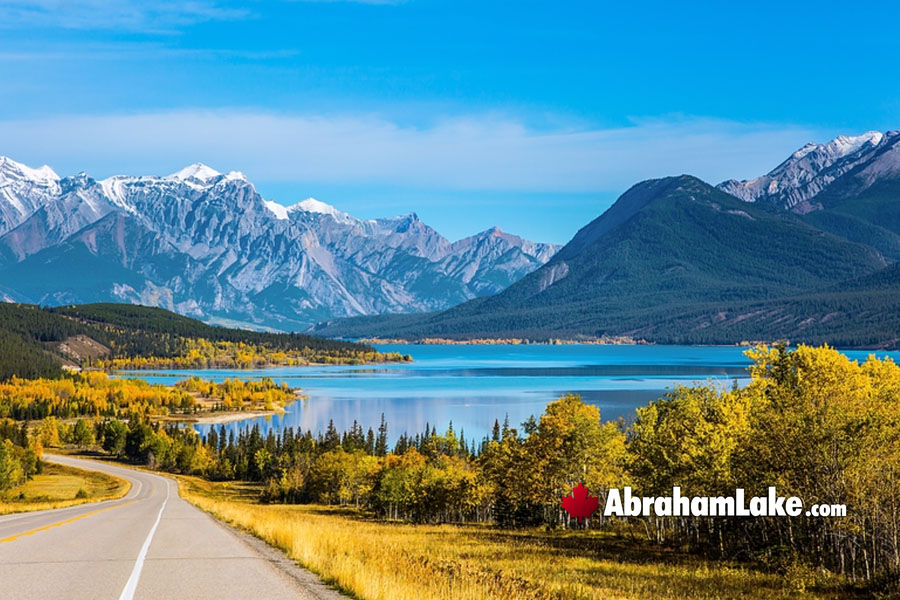
February is one of the most popular months to visit Abraham Lake, as the famous frozen methane ice bubbles are often at their best. The lake is typically covered in thick, clear ice, allowing visitors to see thousands of trapped methane bubbles frozen beneath the surface. Combined with the dramatic backdrop of the Canadian Rockies, this creates one of the most unique winter landscapes in Alberta.

The ice bubble phenomenon attracts photographers and visitors from around the world. As methane gas rises from decaying organic matter on the lakebed, it becomes trapped beneath successive layers of ice, forming beautiful stacks of white bubbles. Cold temperatures and clear ice conditions during February often provide excellent opportunities to view this natural spectacle.

The surrounding scenery is equally impressive. Snow-covered mountains, frozen shorelines, and wide-open views create a breathtaking setting that feels both peaceful and remote. On calm days, the clear ice and surrounding peaks combine to produce spectacular reflections and unforgettable winter scenery.

February weather can vary considerably. While many days are cold and calm, strong chinook winds occasionally sweep through the area, changing conditions quickly. These winds can remove snow from the lake's surface, exposing the clear ice beneath, but they can also make temperatures feel much colder. Visitors should be prepared for rapidly changing weather.

Walking on the lake requires caution. Ice conditions constantly change due to wind, temperature, and water movement, and no section of the lake can ever be considered completely safe. Visitors should carefully assess conditions, avoid areas with flowing water or visible cracks, and understand that venturing onto the ice is always done at their own risk.

Wildlife remains active throughout the surrounding region during February. Bighorn sheep are commonly seen along nearby roads and rocky slopes, while elk, deer, coyotes, foxes, wolves, and various winter birds may also be spotted. The snow-covered landscape often makes wildlife easier to observe against the white surroundings.

Warm winter clothing is essential for a February visit. Insulated layers, waterproof boots with good traction, gloves, hats, and windproof outerwear will help visitors stay comfortable while exploring the lake and surrounding viewpoints. Ice cleats are also helpful for walking on the often slippery surface.

Photography conditions are outstanding throughout February. Early morning and late afternoon provide soft, golden light that highlights both the mountains and the frozen bubbles beneath the ice. On clear nights, Abraham Lake is also an exceptional destination for astrophotography and, when conditions cooperate, viewing the northern lights above the Rockies.

February is widely considered one of the very best times to experience Abraham Lake. The combination of crystal-clear ice, spectacular methane bubbles, dramatic mountain scenery, and peaceful winter landscapes creates an unforgettable experience that is unlike anywhere else in the Canadian Rockies. Abraham Lake

Athabasca Falls in February

Athabasca Falls is one of the premier winter attractions in Jasper National Park, and February showcases the waterfall at its most dramatic. The powerful river, incredible ice formations, peaceful surroundings, and spectacular mountain scenery combine to create an unforgettable winter destination along the Icefields Parkway.

Athabasca Falls During February

Athabasca Falls During February

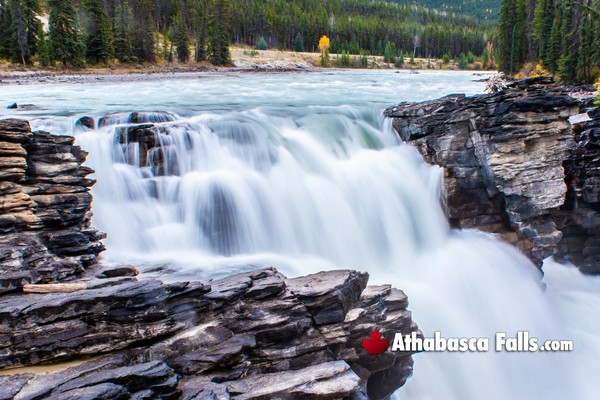
February is one of the most spectacular times to visit Athabasca Falls, as the powerful waterfall is transformed into a dramatic display of ice and flowing water. Massive walls of blue and white ice surround the canyon while the Athabasca River continues to surge beneath frozen layers, creating an unforgettable winter scene in Jasper National Park.

Unlike many waterfalls that freeze completely, Athabasca Falls continues flowing throughout the winter. The constant movement of the river prevents it from freezing solid, while mist from the falls creates enormous ice formations along the canyon walls, railings, and surrounding rocks. The combination of rushing water and towering ice sculptures makes February one of the most visually impressive times to visit.

The main viewing platforms remain accessible during winter, allowing visitors to safely enjoy excellent views of the falls. Snow-covered forests and frozen rock formations add to the dramatic scenery, while the surrounding mountains provide a beautiful backdrop. Fresh snowfall enhances the landscape, creating a true Canadian Rockies winter experience.

February is also one of the quietest months at Athabasca Falls. With fewer visitors than during the busy summer season, the viewpoints feel peaceful and uncrowded. The sound of the roaring river echoing through the frozen canyon adds to the unique atmosphere and makes the visit even more memorable.

Walking conditions can be challenging during winter. Snow, packed ice, and slippery pathways are common throughout the viewing area. Waterproof winter boots with good traction are essential, and many visitors find ice cleats helpful for navigating icy sections safely. Remaining on designated trails and behind safety barriers is especially important, as the canyon edges can be extremely hazardous.

Wildlife is occasionally seen in the surrounding area during February. Elk, mule deer, bighorn sheep, coyotes, foxes, wolves, and various winter birds may be spotted while traveling through Jasper National Park. Animal tracks in the snow often reveal the presence of wildlife even when the animals themselves remain hidden.

Temperatures at Athabasca Falls are typically well below freezing throughout February. The mist from the waterfall and the wind moving through the canyon can make conditions feel even colder. Warm layered clothing, insulated jackets, waterproof boots, hats, gloves, and scarves are recommended for a comfortable visit.

Photography opportunities are exceptional during February. The contrast between flowing turquoise water, towering ice formations, snow-covered cliffs, and evergreen forests creates stunning images from every viewpoint. Early morning and late afternoon provide particularly beautiful lighting, with soft winter sunshine illuminating the frozen landscape.

Athabasca Falls is one of the premier winter attractions in Jasper National Park, and February showcases the waterfall at its most dramatic. The powerful river, incredible ice formations, peaceful surroundings, and spectacular mountain scenery combine to create an unforgettable winter destination along the Icefields Parkway. Athabasca Falls

Banff Bow Lake in February

Although many nearby seasonal facilities remain closed during February, Bow Lake itself remains one of the most scenic winter destinations in Banff National Park. Its frozen beauty, peaceful surroundings, and breathtaking mountain views make it a memorable stop for anyone exploring the Canadian Rockies during the winter months.

Banff Bow Lake in February

Banff Bow Lake in February

February is one of the most peaceful and picturesque times to visit Bow Lake. Completely frozen beneath a blanket of snow, the lake is surrounded by towering mountain peaks that create a spectacular winter landscape along the Icefields Parkway. The quiet atmosphere and pristine scenery make it a favourite destination for visitors seeking a true Canadian Rockies winter experience.

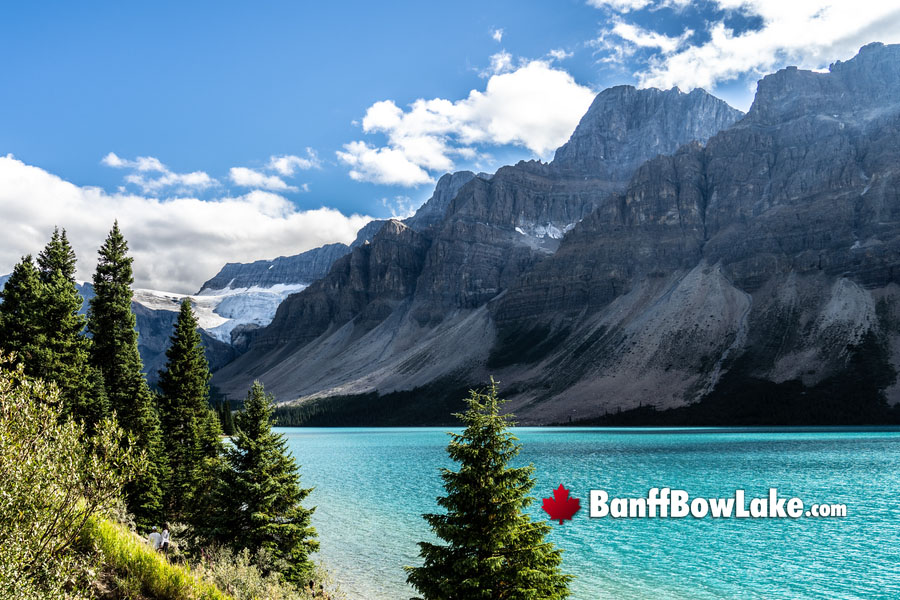
Unlike the vibrant turquoise waters of summer, Bow Lake becomes a vast expanse of snow and ice during February. The frozen surface blends seamlessly with the surrounding mountains and forests, creating a dramatic alpine panorama that feels untouched and remote. Fresh snowfall only enhances the beauty of the landscape.

The viewpoints along the shoreline offer breathtaking views in every direction. Crowfoot Mountain, Bow Peak, and the surrounding mountain ranges rise above the frozen lake, while snow-covered evergreen forests frame the valley. On clear days, the crisp winter air often provides exceptional visibility across the surrounding peaks.

February is one of the quietest months at Bow Lake, allowing visitors to enjoy the scenery without the summer crowds. The peaceful setting makes it an ideal place to stop along the Icefields Parkway, take photographs, or simply admire the beauty of the Canadian Rockies in winter.

Wildlife is occasionally seen throughout the area during February. Bighorn sheep, mountain goats, elk, deer, coyotes, foxes, wolves, and a variety of winter birds may be spotted along the Icefields Parkway or on nearby mountain slopes. Fresh tracks in the snow often reveal the presence of animals throughout the valley.

Winter weather can be harsh, with temperatures well below freezing and strong winds common around the lake. Warm insulated clothing, waterproof boots, hats, gloves, and windproof outerwear are essential for staying comfortable while exploring the viewpoints and shoreline.

Driving conditions along the Icefields Parkway require extra caution during February. Snow-packed roads, icy surfaces, and rapidly changing weather are common throughout the season. Winter tires are essential, and travelers should carry emergency supplies when exploring this remote mountain highway.

Photography is exceptional during February. The contrast between the brilliant white snow, rugged mountain peaks, dark evergreen forests, and brilliant blue skies creates stunning images. Sunrise and sunset often bathe the surrounding mountains in soft golden light, making this one of the most rewarding winter photography stops along the Icefields Parkway.

Although many nearby seasonal facilities remain closed during February, Bow Lake itself remains one of the most scenic winter destinations in Banff National Park. Its frozen beauty, peaceful surroundings, and breathtaking mountain views make it a memorable stop for anyone exploring the Canadian Rockies during the winter months. Banff Bow Lake

Banff Wildlife During February

The best wildlife viewing usually occurs during sunrise and the final hours before sunset, when many animals are most active. Visitors should always remain inside or close to their vehicles when appropriate, keep a safe distance from all wildlife, never feed animals, and use binoculars or telephoto lenses for close-up viewing. Respecting wildlife and giving animals plenty of space helps protect both visitors and the animals that call the Canadian Rockies home.

Banff Wildlife During February

Banff Wildlife During February

February is an excellent month for wildlife viewing in the Canadian Rockies. Deep snow at higher elevations encourages many animals to remain in lower valleys, making them easier to spot along roads, river corridors, open meadows, and forest edges. Although winter conditions are harsh, many species remain active throughout Banff and Jasper National Parks.

Elk are among the most commonly seen animals during February. Large herds often graze in open valleys around Banff, Jasper, Lake Louise, and other developed areas where snow is shallower. Their thick winter coats help them withstand the cold, and they are frequently seen feeding during the early morning and late afternoon.

Bighorn sheep remain highly visible throughout the winter. They are commonly found on rocky slopes and windswept hillsides where snow is thinner and grasses remain accessible. Mountain goats can also be seen on steep cliffs and rugged mountain faces, where they confidently navigate terrain that few other animals can reach.

Moose are occasionally spotted browsing on willow and other shrubs near rivers, wetlands, and forested valleys. Their dark winter coats stand out against the snow, making them easier to notice, although they are generally less common than elk or deer.

Coyotes remain active throughout February and are often seen hunting in open fields or traveling across frozen landscapes. Red foxes are also active during winter, using their exceptional hearing to locate small mammals beneath the snow before diving headfirst to catch their prey.

Gray wolves continue hunting in organized packs during February and may travel long distances in search of elk, deer, or other prey. While wolves are rarely seen, fresh tracks in the snow often reveal their presence. Visitors are much more likely to see evidence of wolves than the animals themselves.

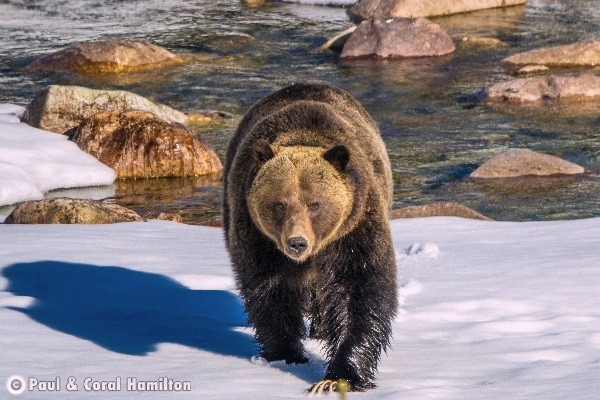
Black bears and grizzly bears spend most of February in hibernation and are rarely observed. Most bears remain in their dens until spring, making winter one of the safest seasons for hiking and sightseeing from a bear activity perspective, although standard wildlife awareness should always be maintained.

Birdlife remains surprisingly active during February. Bald eagles, golden eagles, ravens, Canada jays, Clark's nutcrackers, black-billed magpies, woodpeckers, chickadees, and several owl species can all be seen throughout the parks. Many birds remain active year-round and add life and colour to the snowy landscape.

The best wildlife viewing usually occurs during sunrise and the final hours before sunset, when many animals are most active. Visitors should always remain inside or close to their vehicles when appropriate, keep a safe distance from all wildlife, never feed animals, and use binoculars or telephoto lenses for close-up viewing. Respecting wildlife and giving animals plenty of space helps protect both visitors and the animals that call the Canadian Rockies home. Canadian Rockies Wildlife Wildlife On Video

Camping in Banff During February

For travelers who are well prepared, camping in Banff during February offers a memorable winter adventure. The combination of quiet campgrounds, spectacular mountain scenery, fresh snow, and countless outdoor activities creates an experience that showcases a completely different side of the Canadian Rockies.

Camping in Banff During February

Camping in Banff During February

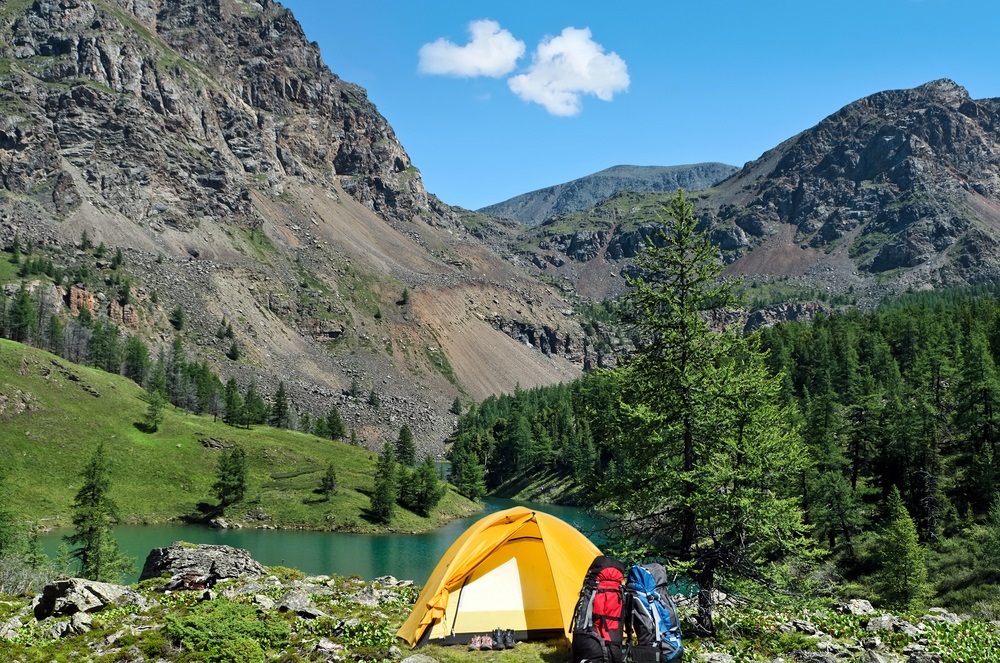
Camping in Banff during February is a unique winter experience that offers peaceful surroundings, snow-covered landscapes, and incredible opportunities to enjoy the Canadian Rockies without the crowds of summer. While most campgrounds are closed for the winter season, a limited number of year-round campgrounds remain open for visitors who are properly equipped for cold-weather camping.

Winter camping requires much more preparation than camping during the warmer months. Overnight temperatures regularly fall well below freezing, and snowfall can occur at any time. Campers should use four-season tents, cold-weather sleeping bags, insulated sleeping pads, and appropriate winter clothing to remain safe and comfortable throughout their stay.

The year-round campgrounds provide a convenient base for exploring Banff National Park's winter attractions. Visitors can easily access scenic drives, frozen lakes, winter hiking trails, snowshoeing routes, cross-country ski trails, wildlife viewing areas, and the Banff townsite while returning to a quiet campsite at the end of the day.

February camping offers a peaceful atmosphere that is difficult to find during the busy summer season. Snow-covered forests, crisp mountain air, and quiet evenings create an unforgettable outdoor experience. On clear nights, campers are treated to brilliant star-filled skies, and the occasional display of the northern lights may be visible under ideal conditions.

Campers should be prepared for changing winter weather. Snowstorms, strong winds, and extreme cold can develop quickly, making it important to monitor forecasts and have flexible travel plans. Vehicles should be equipped with winter tires, and carrying emergency supplies is strongly recommended when traveling throughout the park.

Wildlife remains active during February, even though bears are generally hibernating. Elk, deer, bighorn sheep, coyotes, foxes, wolves, and a variety of winter birds are commonly seen throughout Banff National Park. Food and scented items should always be stored properly, and campers should continue following all wildlife safety regulations throughout the winter.

Cooking outdoors requires extra planning during February. Cold temperatures can affect camp stoves and fuel performance, while snow and wind may require sheltered cooking areas. Bringing warm meals and hot drinks can make winter camping much more enjoyable after a day spent exploring the mountains.

February is an excellent month for visitors looking to combine camping with winter recreation. Snowshoeing, cross-country skiing, downhill skiing, ice skating, winter photography, scenic sightseeing, and wildlife viewing are all easily accessible from the open campgrounds, allowing visitors to experience Banff National Park at its snowy best.

For travelers who are well prepared, camping in Banff during February offers a memorable winter adventure. The combination of quiet campgrounds, spectacular mountain scenery, fresh snow, and countless outdoor activities creates an experience that showcases a completely different side of the Canadian Rockies. Banff Camping

Hiking in February

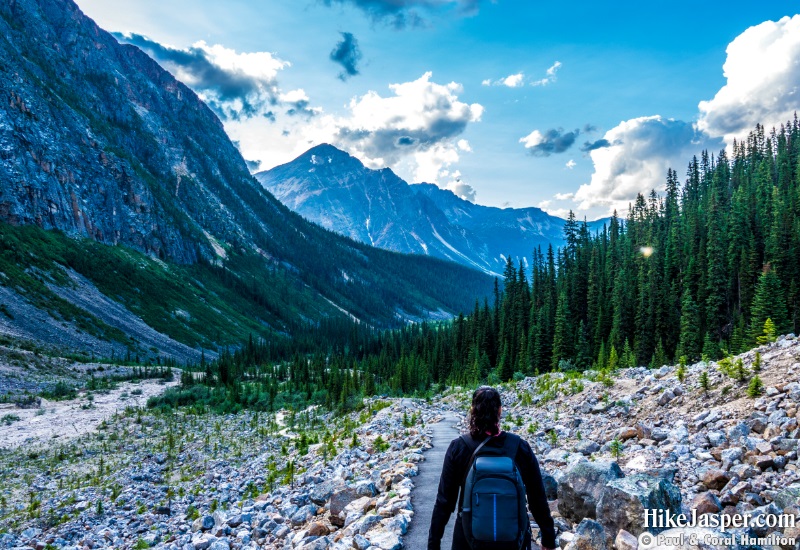
Hiking in Banff during February provides a completely different perspective on the Canadian Rockies. The combination of quiet trails, dramatic winter scenery, frozen waterfalls, and abundant wildlife creates an unforgettable outdoor experience for visitors prepared to enjoy the beauty of winter in the mountains.

Hiking in February

Hiking in February

February is an excellent month for hiking in Banff National Park, offering peaceful trails, snow-covered forests, and breathtaking mountain scenery. While high-elevation routes are buried under deep snow and present avalanche hazards, many lower-elevation trails remain accessible and provide rewarding winter experiences. The quiet atmosphere and fresh mountain air make February one of the most enjoyable months for winter hiking.

Popular lower-elevation trails such as Johnston Canyon, Fenland Trail, Sundance Canyon, Stewart Canyon, Tunnel Mountain, and the shores of Lake Minnewanka offer excellent opportunities to experience Banff's winter landscapes. Many of these routes are packed down by regular visitors, although snowfall can quickly change trail conditions.

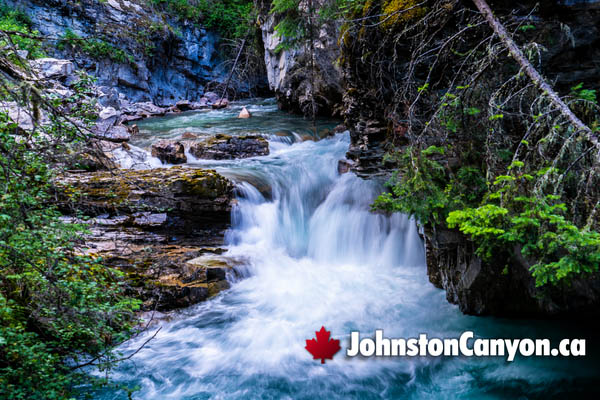
Johnston Canyon is especially popular during February. The frozen waterfalls, towering ice formations, and steel catwalks suspended above the canyon create one of the most memorable winter hikes in the Canadian Rockies. Ice climbers are often seen ascending the frozen cliffs, adding another fascinating element to the experience.

Winter trail conditions vary from packed snow to solid ice. Waterproof hiking boots with good traction are essential, and many hikers wear ice cleats or traction devices to improve stability on slippery sections. Trekking poles can also provide extra balance and confidence, particularly on steeper or uneven terrain.

February weather can be unpredictable, with temperatures ranging from relatively mild winter days to periods of intense cold. Dressing in layers allows hikers to stay comfortable throughout the day. Insulated jackets, waterproof outer layers, warm hats, gloves, and thermal clothing are recommended, while carrying extra clothing is always a good idea.

Wildlife remains active throughout the park during winter. Elk, deer, bighorn sheep, coyotes, foxes, and a variety of winter birds are frequently seen along lower trails and valley bottoms. Although bears are generally hibernating during February, visitors should continue practicing good wildlife awareness and give all animals plenty of space.

Anyone considering higher-elevation or backcountry hikes should have proper winter equipment and avalanche knowledge. Deep snow, hidden hazards, and unstable avalanche terrain make many alpine routes unsuitable for casual winter hiking. Checking trail conditions and avalanche forecasts before setting out is an important part of winter trip planning.

Photography opportunities are outstanding throughout February. Snow-covered forests, frozen rivers, sparkling ice formations, and mountain peaks create spectacular scenes around every corner. Early morning often offers calm conditions and beautiful light, while fresh snowfall transforms familiar trails into pristine winter landscapes.

Hiking in Banff during February provides a completely different perspective on the Canadian Rockies. The combination of quiet trails, dramatic winter scenery, frozen waterfalls, and abundant wildlife creates an unforgettable outdoor experience for visitors prepared to enjoy the beauty of winter in the mountains. Hiking

Icefields Parkway During February

For visitors prepared for winter driving and mountain conditions, the Icefields Parkway in February offers one of the most rewarding scenic journeys in North America. Its combination of glaciers, frozen waterfalls, abundant wildlife, towering peaks, and pristine winter landscapes creates an unforgettable adventure through the heart of the Canadian Rockies.

Icefields Parkway During February

Icefields Parkway During February

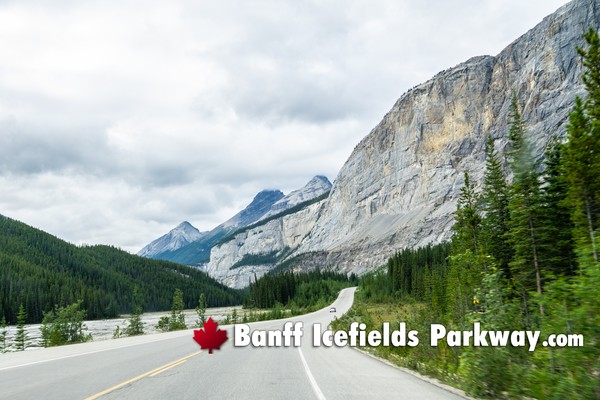
February is one of the most spectacular months to drive the Icefields Parkway. The famous highway is transformed into a winter wonderland, with snow-covered mountain peaks, frozen lakes, towering glaciers, and ice-covered waterfalls lining nearly every kilometre of the route. The scenery is peaceful and dramatic, offering visitors an unforgettable Canadian Rockies winter experience.

The drive between Lake Louise and Jasper remains open throughout February, although winter conditions demand careful preparation. Snow-packed roads, icy sections, blowing snow, and rapidly changing weather are common. Winter tires are essential, and drivers should carry emergency supplies, extra clothing, food, water, and a full tank of fuel before setting out, as services are limited during the winter months.

Many of the Parkway's most famous natural attractions remain accessible during February. Athabasca Falls and Sunwapta Falls become surrounded by spectacular ice formations while their rivers continue flowing beneath frozen layers. Bow Lake, Peyto Lake, and other mountain lakes are completely frozen, creating breathtaking alpine landscapes unlike those seen during the summer.

The Columbia Icefield remains one of the highlights of the journey. Although the Columbia Icefield Adventure and Glacier Skywalk are closed during February, visitors can still admire the immense Athabasca Glacier and the surrounding icefields from roadside viewpoints. The glacier's snow-covered surface blends seamlessly with the surrounding mountains, creating one of the most impressive winter scenes in the Canadian Rockies.

Wildlife viewing can be excellent throughout February. Mountain goats are frequently seen on rocky cliffs, while bighorn sheep, elk, deer, coyotes, foxes, wolves, and occasionally moose are spotted along the highway. The snow-covered landscape often makes wildlife easier to see, especially during the early morning and late afternoon.

Winter weather varies considerably along the Parkway. Temperatures regularly remain well below freezing, and higher elevations often experience stronger winds and heavier snowfall than nearby valleys. Dressing in insulated layers, waterproof winter boots, hats, gloves, and windproof outerwear is essential for anyone stopping to explore viewpoints and attractions.

Photography opportunities are outstanding during February. Fresh snow blankets the mountains, frozen rivers carve through deep valleys, and crystal-clear skies often provide remarkable visibility across the Continental Divide. Sunrise and sunset bring warm golden light to the snowy peaks, while clear nights can reveal brilliant stars and, on occasion, the northern lights.

Traffic is much lighter than during the busy summer season, allowing visitors to enjoy many viewpoints in complete peace. The quiet atmosphere enhances the sense of wilderness and makes every stop feel more personal and memorable. The absence of crowds allows photographers and nature lovers to fully appreciate the immense scale of the surrounding landscape.

For visitors prepared for winter driving and mountain conditions, the Icefields Parkway in February offers one of the most rewarding scenic journeys in North America. Its combination of glaciers, frozen waterfalls, abundant wildlife, towering peaks, and pristine winter landscapes creates an unforgettable adventure through the heart of the Canadian Rockies. Banff Icefields Parkway

Johnston Canyon During February

Johnston Canyon in February offers one of the finest winter hiking experiences in the Canadian Rockies. Its frozen waterfalls, dramatic ice formations, accessible trails, and peaceful mountain scenery combine to create an unforgettable adventure that showcases Banff National Park at its winter best.

Johnston Canyon During February

Johnston Canyon During February

February is one of the most popular months to visit Johnston Canyon, as the trail is transformed into a spectacular winter destination. Snow-covered cliffs, frozen waterfalls, and towering walls of blue ice create an unforgettable landscape that attracts visitors from around the world. The combination of flowing water beneath thick ice and dramatic canyon scenery makes this one of Banff National Park's premier winter hikes.

The Lower Falls and Upper Falls are especially impressive during February. Massive columns of ice form around the waterfalls while water continues flowing beneath the frozen surface. The famous cave near the Lower Falls remains accessible when conditions allow, offering a close-up view of the frozen waterfall and its remarkable ice formations.

The steel catwalks built into the canyon walls provide a unique perspective throughout the hike. As visitors walk above Johnston Creek, they pass frozen cascades, snow-covered limestone cliffs, and ice-covered rock formations that create breathtaking views around every corner. Fresh snowfall enhances the scenery, turning the canyon into a true winter wonderland.

The trail is generally well-traveled throughout February, making it one of the more accessible winter hikes in Banff National Park. However, snow and ice cover much of the pathway, so waterproof winter boots with good traction are essential. Many visitors wear ice cleats or traction devices to safely navigate the icy sections, particularly near the waterfalls.

February is also a prime season for ice climbing at Johnston Canyon. Experienced climbers can often be seen ascending the towering frozen waterfalls, providing an exciting spectacle for hikers. Watching climbers scale the vertical walls of ice adds another memorable element to the visit.

Wildlife remains active throughout the canyon during winter. Elk, deer, coyotes, foxes, and a variety of winter birds are occasionally seen near the trail and surrounding forest. Although bears are generally hibernating during February, visitors should continue to respect wildlife and remain aware of their surroundings.

Temperatures often remain well below freezing, particularly in the shaded canyon where sunlight is limited. Warm layered clothing, insulated jackets, hats, gloves, and waterproof boots help keep visitors comfortable while exploring the trail. The canyon can feel significantly colder than nearby Banff due to its narrow walls and constant shade.

Photography is outstanding throughout February. Frozen waterfalls, sparkling icicles, snow-covered trees, and crystal-clear ice formations provide endless opportunities for memorable images. Early morning often offers the quietest conditions, while fresh snowfall creates an especially magical atmosphere throughout the canyon.

Johnston Canyon in February offers one of the finest winter hiking experiences in the Canadian Rockies. Its frozen waterfalls, dramatic ice formations, accessible trails, and peaceful mountain scenery combine to create an unforgettable adventure that showcases Banff National Park at its winter best. Johnston Canyon

Lake Louise in February

Lake Louise in February offers one of the finest winter experiences in the Canadian Rockies. Whether you're skating on the frozen lake, exploring snowy trails, enjoying winter festivals, or simply taking in the breathtaking scenery, February showcases Lake Louise at its snowy, unforgettable best.

Lake Louise in February

Lake Louise in February

February is one of the most magical months to visit Lake Louise, when the famous turquoise lake is completely frozen and surrounded by snow-covered mountain peaks. The lake becomes a spectacular winter destination, offering breathtaking scenery, world-class outdoor activities, and a peaceful alpine atmosphere that attracts visitors from around the world.

The frozen lake becomes a hub of winter recreation throughout February. Visitors can walk across the ice, enjoy one of the world's most scenic outdoor skating rinks, or simply admire the stunning mountain views from the shoreline. The dramatic backdrop of Victoria Glacier and the surrounding peaks creates an unforgettable setting unlike anywhere else in the Canadian Rockies.

February is also the peak season for the annual Ice Magic Festival, where talented ice sculptors transform massive blocks of crystal-clear ice into intricate works of art. The impressive sculptures add another highlight to an already spectacular winter visit and make the lakeshore even more memorable.

Snowshoeing and cross-country skiing are popular activities around Lake Louise during February. Several well-maintained trails lead through snow-covered forests and along the lakeshore, providing visitors with opportunities to experience the quiet beauty of Banff National Park while surrounded by breathtaking alpine scenery.

For downhill skiers and snowboarders, the nearby Lake Louise Ski Resort offers excellent conditions throughout February. Deep snow, varied terrain, and panoramic mountain views make it one of Canada's premier winter sports destinations. Many visitors combine a day on the slopes with time exploring the lake itself.

Wildlife remains active throughout the surrounding valleys during winter. Elk, mule deer, coyotes, foxes, and a variety of winter birds are commonly seen around the Lake Louise area. While bears are generally hibernating during February, visitors should continue practicing safe wildlife viewing and respect all animals from a distance.

Temperatures are typically well below freezing throughout February, particularly during the morning and evening hours. Warm layered clothing, insulated jackets, waterproof winter boots, hats, gloves, and scarves are essential for enjoying the outdoor activities comfortably. Bright winter sunshine can make daytime sightseeing especially enjoyable despite the cold temperatures.

Photography opportunities are exceptional throughout the month. Snow-covered mountains, the frozen lake, ice sculptures, frosted forests, and brilliant blue skies create stunning images from nearly every viewpoint. Sunrise and sunset often produce soft golden light across Victoria Glacier, while clear nights can reveal spectacular star-filled skies above the surrounding peaks.

Lake Louise in February offers one of the finest winter experiences in the Canadian Rockies. Whether you're skating on the frozen lake, exploring snowy trails, enjoying winter festivals, or simply taking in the breathtaking scenery, February showcases Lake Louise at its snowy, unforgettable best. Banff Lake Louise

Moraine Lake in February

The Valley of the Ten Peaks becomes a remote backcountry environment throughout February. Deep snow, unstable avalanche slopes, and severe mountain weather make the area suitable only for experienced backcountry travelers with specialized avalanche training, proper equipment, and knowledge of winter mountain travel.

Moraine Lake in February

Moraine Lake in February

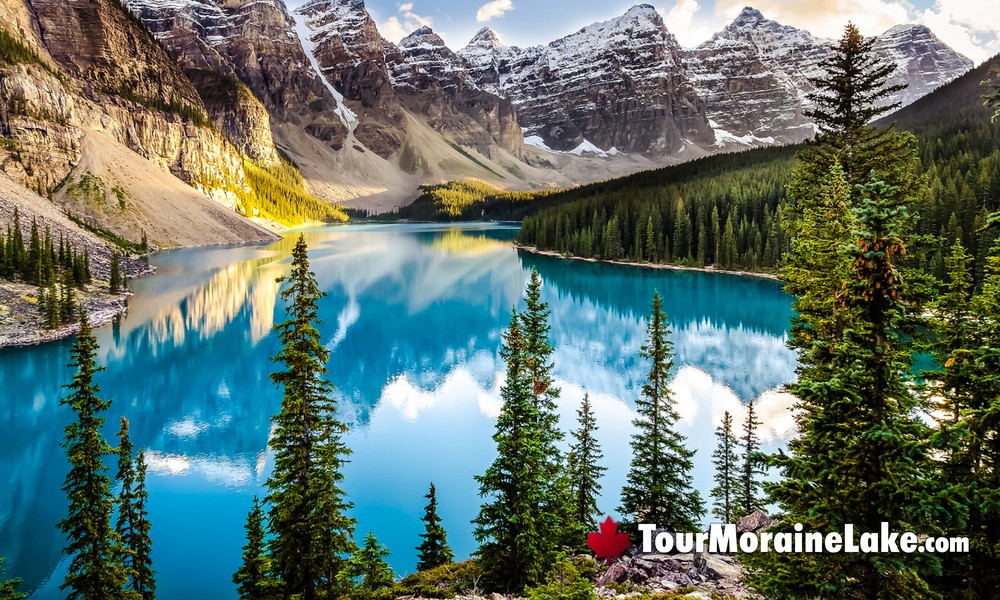
February is one of the quietest times of the year at Moraine Lake, as the lake and its surrounding valley are blanketed in deep snow. The famous turquoise water is hidden beneath thick ice, while the towering Ten Peaks stand covered in snow, creating a breathtaking alpine landscape. Although the scenery is spectacular, Moraine Lake is not accessible by public road during the winter.

Moraine Lake Road is closed to all vehicle traffic throughout February due to avalanche risk and heavy snowfall. Unlike the summer season, there are no shuttle buses, public transportation, or private vehicles permitted to reach the lake. The closure helps protect visitors from the significant avalanche terrain that surrounds the road and valley.

While most visitors cannot access Moraine Lake during February, the surrounding Lake Louise area offers many outstanding winter experiences. Frozen Lake Louise, snow-covered forests, mountain viewpoints, skating, snowshoeing, cross-country skiing, and nearby hiking trails provide plenty of opportunities to enjoy the beauty of Banff National Park during the winter season.

The Valley of the Ten Peaks becomes a remote backcountry environment throughout February. Deep snow, unstable avalanche slopes, and severe mountain weather make the area suitable only for experienced backcountry travelers with specialized avalanche training, proper equipment, and knowledge of winter mountain travel.

Wildlife remains active in the surrounding region during winter. Elk, mule deer, coyotes, foxes, wolves, and a variety of winter birds inhabit the valleys below, while mountain goats and bighorn sheep may occasionally be seen on nearby rocky slopes. Most bears remain in hibernation throughout February.

Winter weather is typically very cold, with temperatures frequently remaining well below freezing. Heavy snowfall, strong winds, and rapidly changing mountain conditions are common, particularly at higher elevations. Anyone exploring nearby areas should dress in warm insulated layers and be prepared for winter conditions.

Although visitors cannot enjoy the famous Rockpile viewpoint during February, the snow-covered mountains surrounding Moraine Lake remain an iconic part of the Canadian Rockies. The dramatic winter scenery continues to inspire photographers and outdoor enthusiasts, even if it can only be admired from a distance during this time of year.

For most travelers, February is the perfect opportunity to explore other accessible winter destinations in Banff National Park while planning a return visit to Moraine Lake during the summer or early autumn. When the road reopens, the lake once again reveals its world-famous turquoise waters beneath the spectacular Valley of the Ten Peaks. Moraine Lake

February at Peyto Lake

Peyto Lake in February offers one of the finest winter viewpoints along the Icefields Parkway. Although its famous turquoise waters remain hidden beneath the ice, the combination of frozen beauty, peaceful surroundings, dramatic mountain scenery, and outstanding photography opportunities makes it an unforgettable stop during a winter journey through the Canadian Rockies.

February at Peyto Lake

February at Peyto Lake

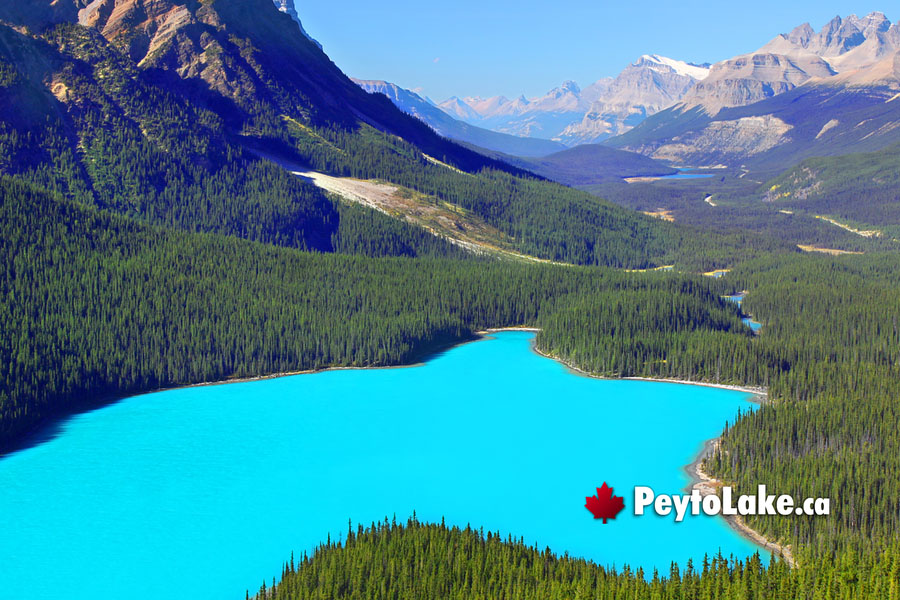
February is one of the most spectacular months to visit Peyto Lake, as the famous lake is completely frozen beneath a blanket of snow and surrounded by the towering peaks of the Canadian Rockies. The winter landscape offers a peaceful and dramatic alternative to the vibrant turquoise waters seen during the summer, making it a favourite stop along the Icefields Parkway for winter travelers.

The lake's distinctive wolf-head shape is largely hidden beneath snow and ice during February, but the panoramic viewpoint still provides breathtaking views across the frozen valley. Snow-covered forests, rugged mountain ridges, and endless white landscapes create an unforgettable alpine scene that feels untouched and serene.

The main viewing platform is generally accessible throughout the winter, although the short walk from the parking area is often covered with packed snow and ice. Waterproof winter boots with good traction are highly recommended, and many visitors find ice cleats helpful for navigating slippery sections safely.

February is a relatively quiet time to visit Peyto Lake compared to the busy summer months. Visitors can often enjoy the viewpoint with fewer people, allowing plenty of time to appreciate the silence, crisp mountain air, and expansive winter scenery without the usual crowds.

Wildlife is occasionally seen throughout the surrounding area during winter. Bighorn sheep, mountain goats, elk, deer, coyotes, foxes, wolves, and a variety of winter birds may be spotted along the Icefields Parkway or on nearby mountain slopes. Fresh tracks in the snow often reveal the presence of animals even when they remain hidden.

Winter weather at Peyto Lake can be extremely cold, especially because of the high elevation. Temperatures frequently remain well below freezing, and strong winds can make conditions feel even colder at the exposed viewpoint. Dressing in warm layers, insulated outerwear, hats, gloves, and waterproof winter boots is essential for a comfortable visit.

Driving to Peyto Lake requires caution during February. The Icefields Parkway is regularly maintained, but snow-packed roads, icy conditions, blowing snow, and rapidly changing weather are common. Winter tires are essential, and visitors should carry emergency supplies when traveling through this remote section of the Canadian Rockies.

Photography is outstanding throughout the month. Fresh snowfall highlights the rugged mountain terrain, while clear winter skies often provide remarkable visibility across the surrounding peaks. Sunrise and sunset bring beautiful golden light to the snow-covered landscape, creating exceptional opportunities for memorable photographs.

Peyto Lake in February offers one of the finest winter viewpoints along the Icefields Parkway. Although its famous turquoise waters remain hidden beneath the ice, the combination of frozen beauty, peaceful surroundings, dramatic mountain scenery, and outstanding photography opportunities makes it an unforgettable stop during a winter journey through the Canadian Rockies. Peyto Lake

Spirit Island During February

Although Spirit Island cannot be visited during February, the Maligne Lake area still delivers an unforgettable winter experience. Its peaceful atmosphere, dramatic mountain scenery, abundant wildlife, and pristine snow-covered wilderness make it one of Jasper National Park's most rewarding winter destinations.

Spirit Island During February

Spirit Island During February

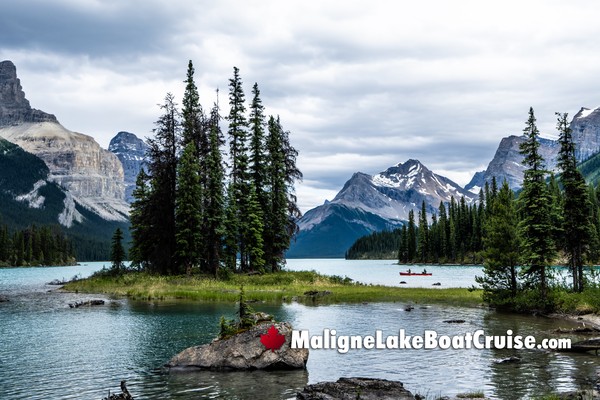
Spirit Island is not accessible during February because Maligne Lake remains frozen and the Maligne Lake Boat Cruise does not operate during the winter season. Since the island can only be reached by boat during the warmer months, visitors are unable to travel to Spirit Island throughout February.

Although the island itself cannot be visited, the Maligne Lake area becomes one of Jasper National Park's most breathtaking winter destinations. The frozen lake stretches beneath the snow-covered Queen Elizabeth Ranges, creating a peaceful alpine landscape of towering peaks, frozen shorelines, and dense evergreen forests blanketed in fresh snow.

The famous viewpoint overlooking Spirit Island lies deep within the frozen lake, several kilometres from the shoreline. During February, this area is considered remote backcountry with deep snow, unpredictable ice conditions, and significant avalanche hazards in surrounding terrain. It is not a destination for casual winter travel.

The drive to Maligne Lake is often one of the highlights of a February visit. Maligne Lake Road passes through spectacular winter scenery, with snow-covered forests, frozen creeks, and mountain viewpoints around every corner. The quiet roads and pristine landscape make the journey just as memorable as the destination.

Wildlife viewing is excellent throughout the Maligne Valley during February. Elk, mule deer, moose, bighorn sheep, coyotes, foxes, wolves, and a variety of winter birds are regularly spotted along the road and throughout the surrounding forests. Fresh snowfall often makes animal tracks easy to see, revealing the activity of wildlife throughout the valley.

February temperatures are typically well below freezing, and weather conditions can change quickly. Visitors should wear insulated layers, waterproof winter boots, hats, gloves, and windproof outerwear to remain comfortable while exploring the lakeshore and surrounding viewpoints. Winter tires are essential when driving to Maligne Lake.

Photography opportunities remain outstanding despite the inability to reach Spirit Island. The frozen lake, snow-covered mountain peaks, frosted trees, and crystal-clear winter air create stunning images throughout the day. Early morning and late afternoon provide beautiful light across the surrounding mountains, while clear evenings can offer exceptional stargazing and occasional northern lights.

Although Spirit Island cannot be visited during February, the Maligne Lake area still delivers an unforgettable winter experience. Its peaceful atmosphere, dramatic mountain scenery, abundant wildlife, and pristine snow-covered wilderness make it one of Jasper National Park's most rewarding winter destinations. Spirit Island

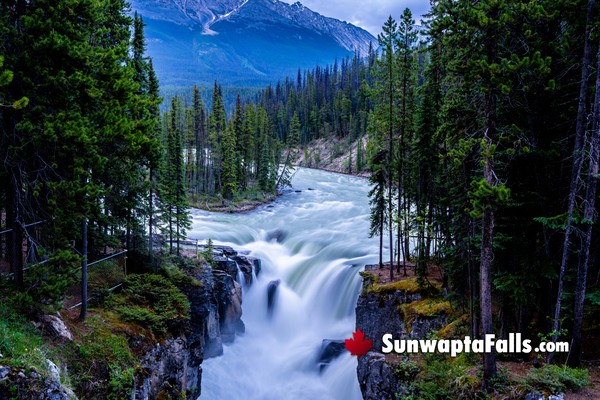
Sunwapta Falls in February

Sunwapta Falls in February is one of the highlights of a winter journey along the Icefields Parkway. The combination of powerful year-round water flow, remarkable ice formations, peaceful surroundings, and spectacular mountain scenery creates an unforgettable Canadian Rockies winter experience.

Sunwapta Falls in February

Sunwapta Falls in February

February is one of the most impressive times to visit Sunwapta Falls, as the powerful waterfall is surrounded by towering ice formations while the Sunwapta River continues to flow beneath layers of snow and ice. The dramatic contrast between rushing water and frozen cliffs creates one of the most spectacular winter scenes along the Icefields Parkway.

Unlike many waterfalls that freeze completely, Sunwapta Falls remains active throughout February. Water continues surging through the narrow canyon while thick sheets of ice cling to the surrounding rock walls. Massive icicles and frozen spray build up over the course of the winter, creating incredible natural ice sculptures that change throughout the season.

The main viewing bridge provides excellent views of the falls during winter. From this vantage point, visitors can safely admire the frozen canyon, the powerful river below, and the snow-covered forests that surround the falls. After fresh snowfall, the entire area takes on the appearance of a pristine winter wonderland.

February is one of the quietest months to experience Sunwapta Falls. With relatively few visitors traveling the Icefields Parkway, the viewpoints are often peaceful and uncrowded. The sound of rushing water echoing beneath the frozen ice adds to the unique atmosphere and makes the visit especially memorable.

Walking conditions around the falls can be very slippery. Snow-covered pathways, packed ice, and icy viewing areas require caution, making waterproof winter boots with good traction essential. Many visitors also wear ice cleats for additional stability. Staying behind safety barriers and avoiding icy rocks near the canyon edge is important at all times.

Wildlife is occasionally seen throughout the Sunwapta Valley during February. Bighorn sheep, mountain goats, elk, deer, coyotes, foxes, wolves, and a variety of winter birds may be spotted along the Icefields Parkway. Fresh snow often makes wildlife tracks easy to identify, adding another interesting aspect to a winter visit.

Temperatures frequently remain well below freezing throughout February, and strong winds can make conditions feel even colder. Dressing in insulated layers, waterproof outerwear, warm hats, gloves, and winter boots will help visitors stay comfortable while exploring the viewpoints.

Photography is exceptional during February. Towering ice formations, snow-covered trees, flowing water, and rugged mountain scenery combine to create dramatic winter compositions. Early morning and late afternoon provide beautiful lighting, while fresh snowfall adds even more depth and contrast to the frozen landscape.

Sunwapta Falls in February is one of the highlights of a winter journey along the Icefields Parkway. The combination of powerful year-round water flow, remarkable ice formations, peaceful surroundings, and spectacular mountain scenery creates an unforgettable Canadian Rockies winter experience. Sunwapta Falls

Banff, Alberta Map

Banff National Park

Contact Banff February.com

Click to Contact Us